5kW Diesel Heater Full Kit – Born to Roam
5kW Diesel Heater Full Kit – Born to Roam
SKU: 202604026
More Heating Headroom for Bigger Rigs and Colder Trips
The Born to Roam 5kW Bluetooth Diesel Heater steps up from the standard 2kW size for larger toy haulers, multi-zone caravans, and anyone who regularly camps in genuinely cold conditions and wants more heating capacity in reserve. Rated to operate down to -41°C and up to 5,000m altitude, this Full Kit version includes the larger 9.5L stainless steel tank for longer off-grid runs between refills.
Vanlifer stocks and installs Born to Roam diesel heaters in Auckland — so if you'd rather not run wiring and cut an exhaust hole yourself, we can fit it as part of your build.
Why Choose This Kit
- More heating power — 5kW and 150 m³/h of hot air output, well above the standard 2kW unit
- Three heat modes — Fan Only (air circulation, no fuel used), Manual Heat (levels 1–10), and Smart Mode, which holds a set target temperature (8–36°C) and cycles off once reached
- Control your way — Bluetooth app, included remote, or the LCD panel itself
- 9.5L stainless tank — with top-mounted fuel gauge and lockable cap, for longer off-grid stints between fills
- Rated to -41°C — built for genuinely harsh conditions
- Quiet heavy-duty fuel pump — built to avoid the tick-tick pump noise cheaper heaters are known for
How It Works: Modes & Startup Cycle
Starting the heater takes about 3 minutes to prepare the combustion chamber before warm air begins. Turning it off runs a 3–5 minute shutdown and cool-down cycle that burns off remaining fuel in the chamber — always let this finish rather than cutting power early, as interrupting it causes excess smoke and carbon build-up over time. The manufacturer also recommends running the unit on high for at least 15 minutes once a month, even in warmer months, to keep everything circulating and stop diesel in the lines going stale.
Which Born to Roam Kit Do You Need?
| This kit — 5kW, Full Kit, 9.5L tank | Larger toy haulers, multi-zone caravans, or regularly cold climates |
| 2kW, Full Kit, 5L tank | Most campervans and small-to-mid caravans; standard single-zone setup |
| 2kW, No Tank | You already have a fuel supply planned, or want a custom tank |
Specifications
| Brand | Born to Roam (AU Focus) |
| Heating Power | 5kW |
| Hot Air Volume | 150 m³/h |
| Main Unit Weight | 4.5 kg |
| Main Unit Dimensions | 376 x 140 x 150 mm |
| Average Fuel Consumption | 0.60 L/h |
| Rated Power Consumption | 50W running; under 100W briefly during ignition/restart |
| Tank Capacity | 9.5L, 304-grade stainless steel, with top-mounted fuel gauge and lockable cap |
| Tank Dimensions | 320 x 353 x 110 mm (W x H x D) |
| Estimated Run Time (full tank) | Approx. 15–16 hours continuous; longer on Smart Mode |
| Operating Temperature | -41°C to +50°C |
| Maximum Altitude | 5,000m |
| Control | Bluetooth app, remote control, LCD panel |
| Voltage | 12V DC |
| Warranty | 24 months |
| Certification | RCM, EMC |
What's Included
- Main heater unit with heavy-duty heat-resistant casing
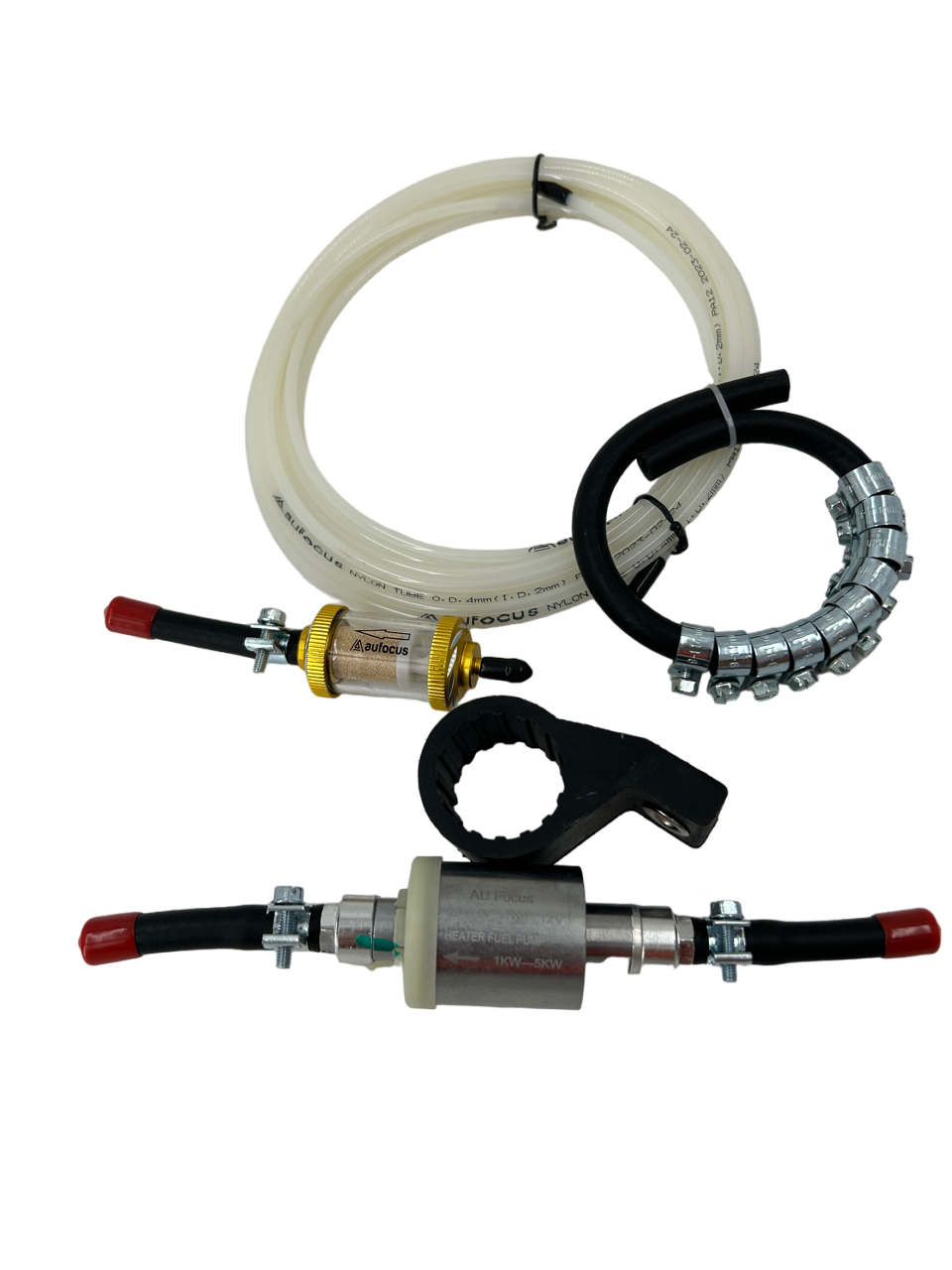
- 9.5L stainless steel fuel tank, mounting plate and heavy-duty fuel pump
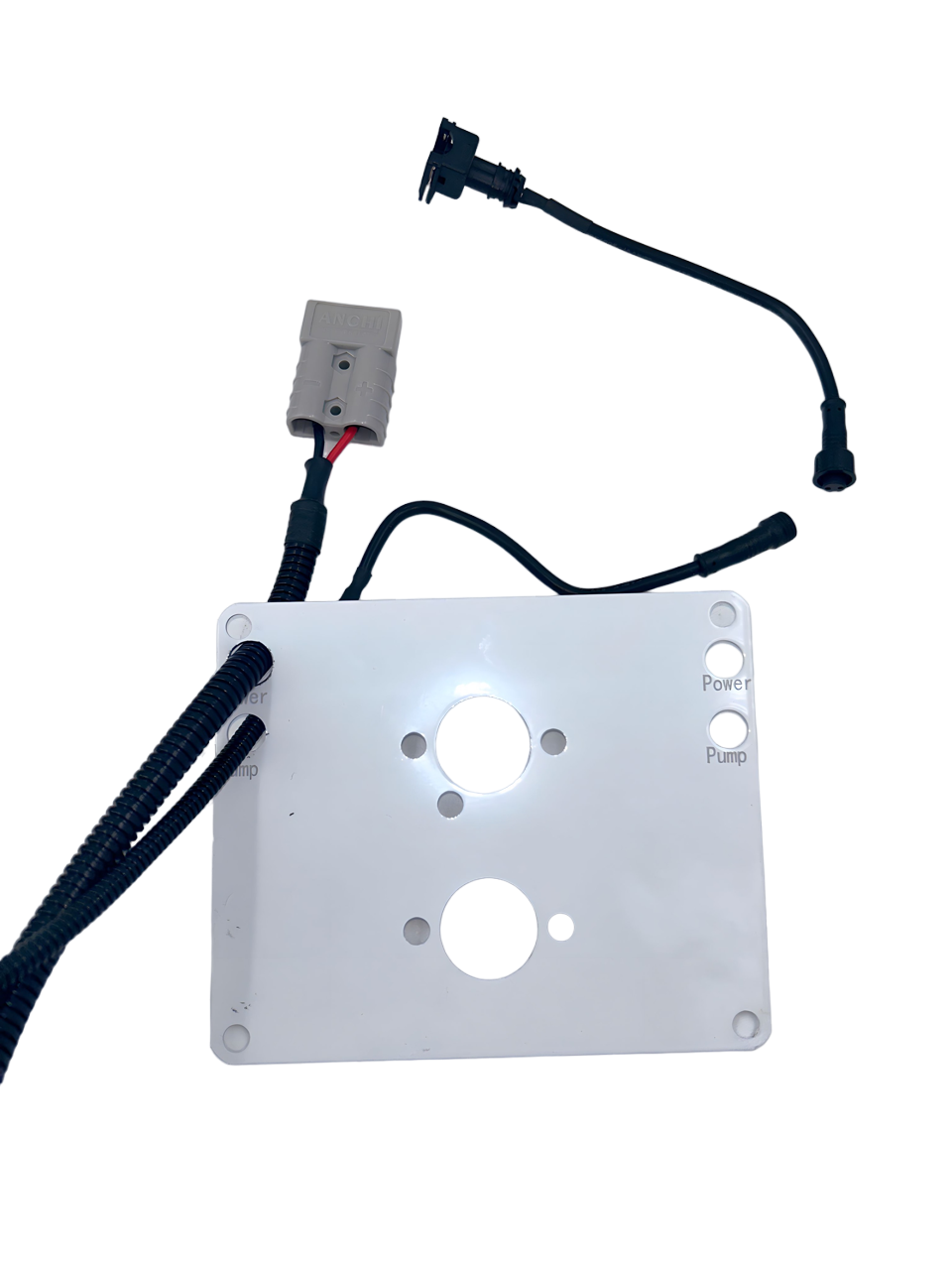
- Full wiring harness, LCD control panel and remote
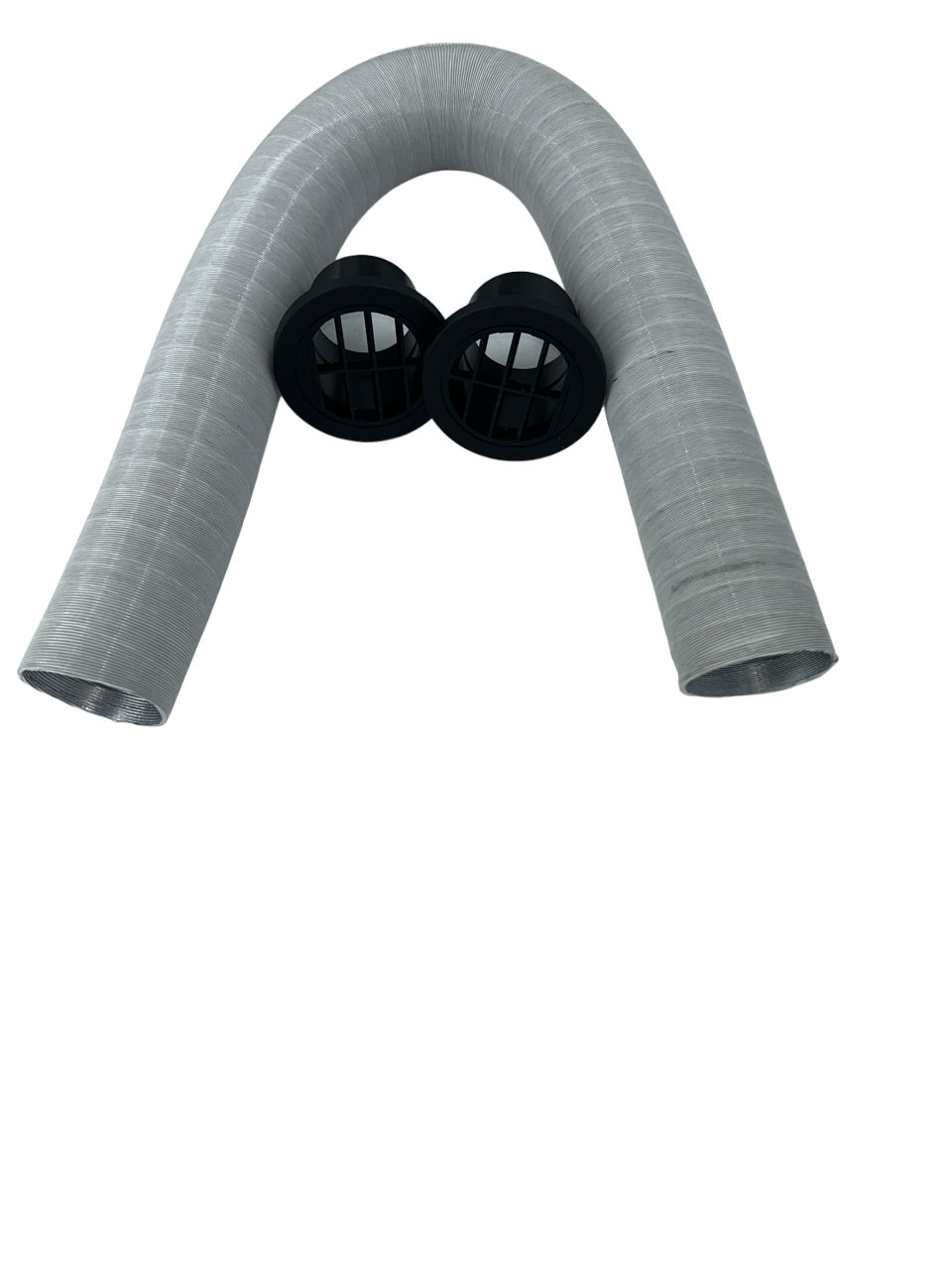
- Ducting, exhaust, muffler, filters, clamps and installation hardware
Installation & Fitment
This kit is designed to be DIY-friendly — it includes the mounting plate, a hole saw guide, and a full wiring harness. It does involve cutting through a floor or wall panel for the exhaust and combustion air intake, plus running 12V wiring, so if you'd rather leave that to someone else, Vanlifer installs these as part of full campervan and toy hauler builds or as a standalone fit for an existing rig. Keep the exhaust run as short as possible to avoid carbon build-up, and make sure nothing sits within 75mm of the exhaust pipe — it runs extremely hot.
Frequently Asked Questions
Do I need the 5kW instead of the 2kW?
The 5kW is worth the step up for larger toy haulers, caravans with multiple living zones, or if you regularly travel in genuinely cold conditions and want more heating headroom than a standard campervan needs. For a typical single-zone van or small caravan, the 2kW kit is what most builds use.
How long will a full 9.5L tank last?
The manufacturer rates average consumption at 0.60 L/h for the 5kW model, working out to roughly 15–16 hours of continuous run time on a full 9.5L tank. Running mostly on Smart Mode stretches this further.
How much diesel does the 5kW model use per hour?
0.60 L/h on average. Actual use varies with heat setting, and drops further on Smart Mode once it reaches your set temperature and cycles off.
How much electrical power does the 5kW model draw?
50W rated consumption while running, with a brief spike to under 100W during ignition and restart while the glow plug heats up.
How long does it take to heat up, and can I switch it off instantly?
Startup takes about 3 minutes before you'll feel warm air. Shutdown runs a 3–5 minute cool-down cycle — always let this finish rather than cutting power early, since interrupting it causes excess smoke and carbon build-up over time.
Does it need regular running to stay in good condition?
Yes — run it on high for at least 15 minutes every month, even outside the cold season, to keep everything circulating and stop the diesel in the lines going stale.
What temperature range and altitude can it handle?
Rated from -41°C to +50°C, and up to 5,000m altitude — built for genuinely harsh conditions, not just mild NZ winters.
Is it quiet enough to run overnight while sleeping?
Yes — it uses a heavy-duty, super-quiet fuel pump specifically to avoid the ticking noise cheaper diesel heaters are known for. Pump placement during install affects how much you'll hear it.
Do I need a professional installer, or can I DIY the install?
It's designed to be DIY-friendly with full instructions included, but it does involve cutting an exhaust/intake hole and 12V wiring. We install these as part of Vanlifer builds or as a standalone fit if you'd rather not.
What happens if it shows an error code or won't start?
The LCD displays a specific error code rather than failing silently, making diagnosis straightforward. Most startup failures trace back to fuel not yet reaching the combustion chamber after a refill — there's a built-in priming function for exactly this. Get in touch and we'll talk you through it, or handle it directly if we installed your unit.
What's the warranty, and is local support available in NZ?
24 months, with Vanlifer handling warranty support and troubleshooting locally in Auckland.
Is it safe to run while sleeping, and where does the exhaust go?
Yes, when installed correctly — combustion air intake and exhaust are both ducted outside the vehicle, so only clean heated air enters the cabin. The exhaust routing must never be blocked or modified, and we'd recommend a carbon monoxide alarm as routine safety practice regardless of heater brand.
Warranty & Support
Backed by a 24-month manufacturer warranty, plus Vanlifer's local support and installation expertise in Auckland.
Specifications
Specifications